
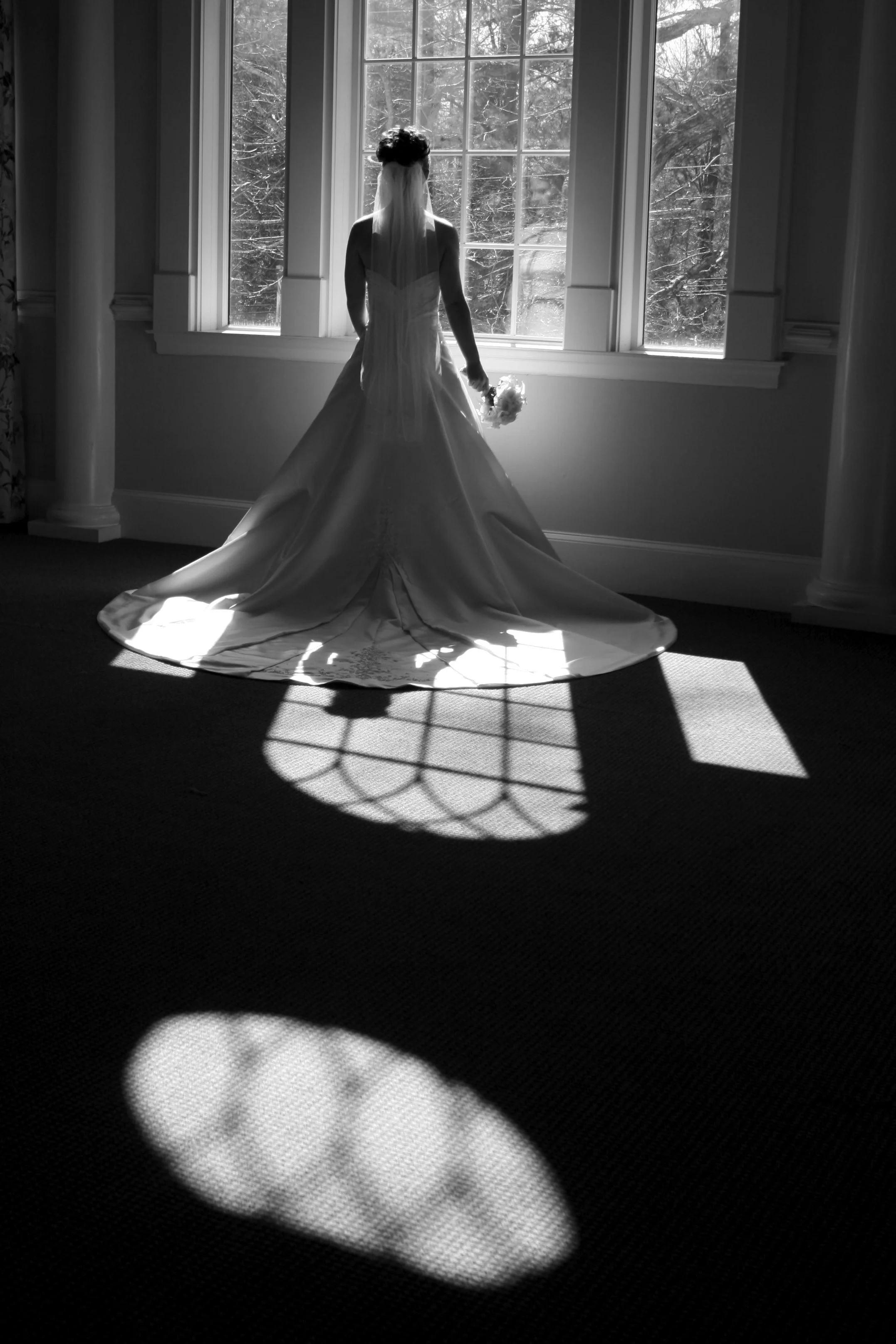

Classic Black and White Film Photography by the Atlanta Wedding Photographers at www.AtlantaArtsiticWeddings.com

Classic Black and White Film Photography by the Atlanta Wedding Photographers at www.AtlantaArtsiticWeddings.com
As some of you know that I got my start with film photography. I love black and white film and the classic feel it gives to the photo. It is a timeless look. It makes you think about the light and forget other distractions. Because we know that best photos come from the best light.
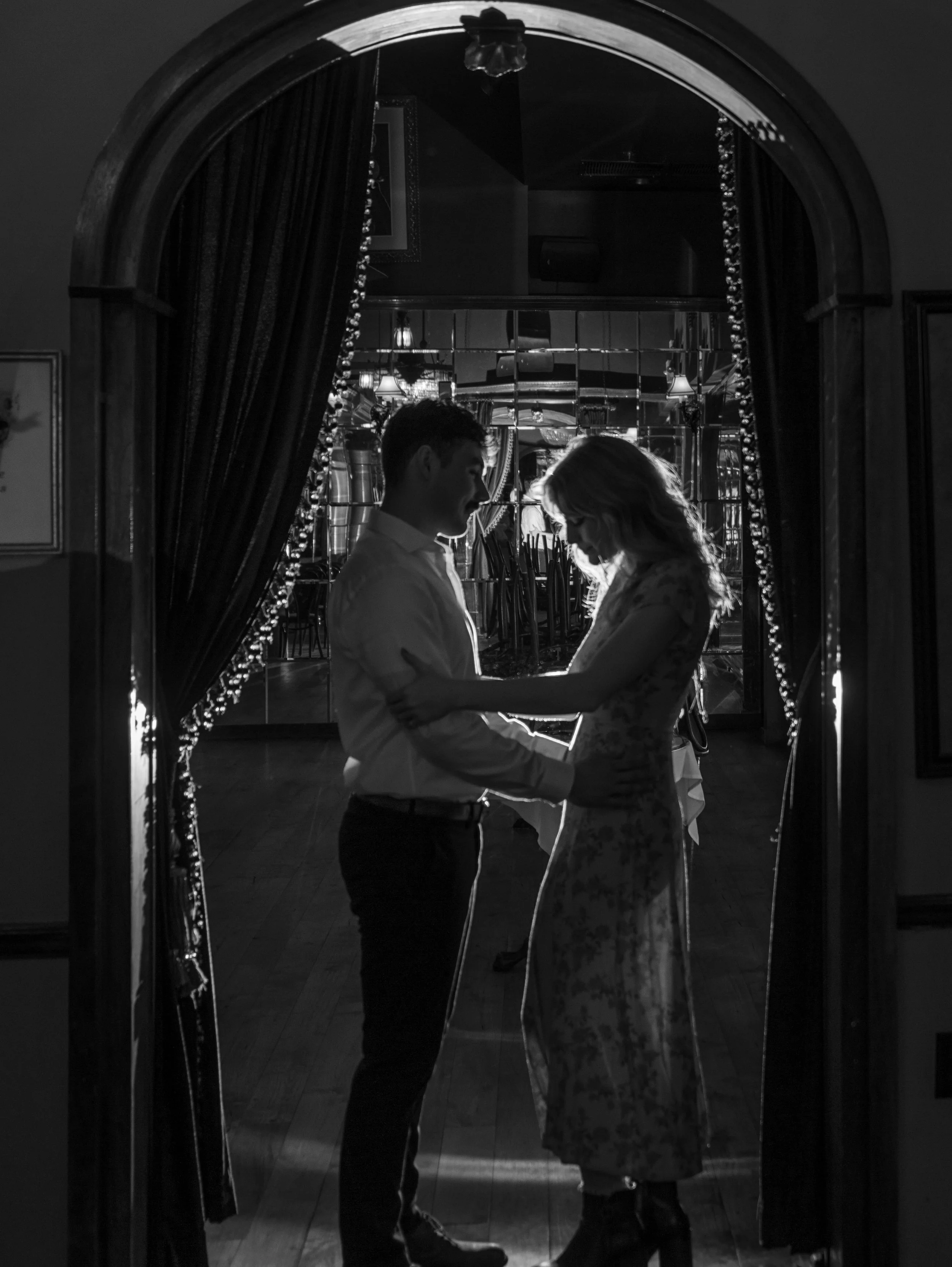
Classic Black and White Film Photography by the Atlanta Wedding Photographers at www.AtlantaArtsiticWeddings.com
When shooting film I like to use classic cameras. I have an Pentax K1000, Rolleicord, and the original speed graphic camera that has been used since the 1930s. All of these cameras have their own personality and place.
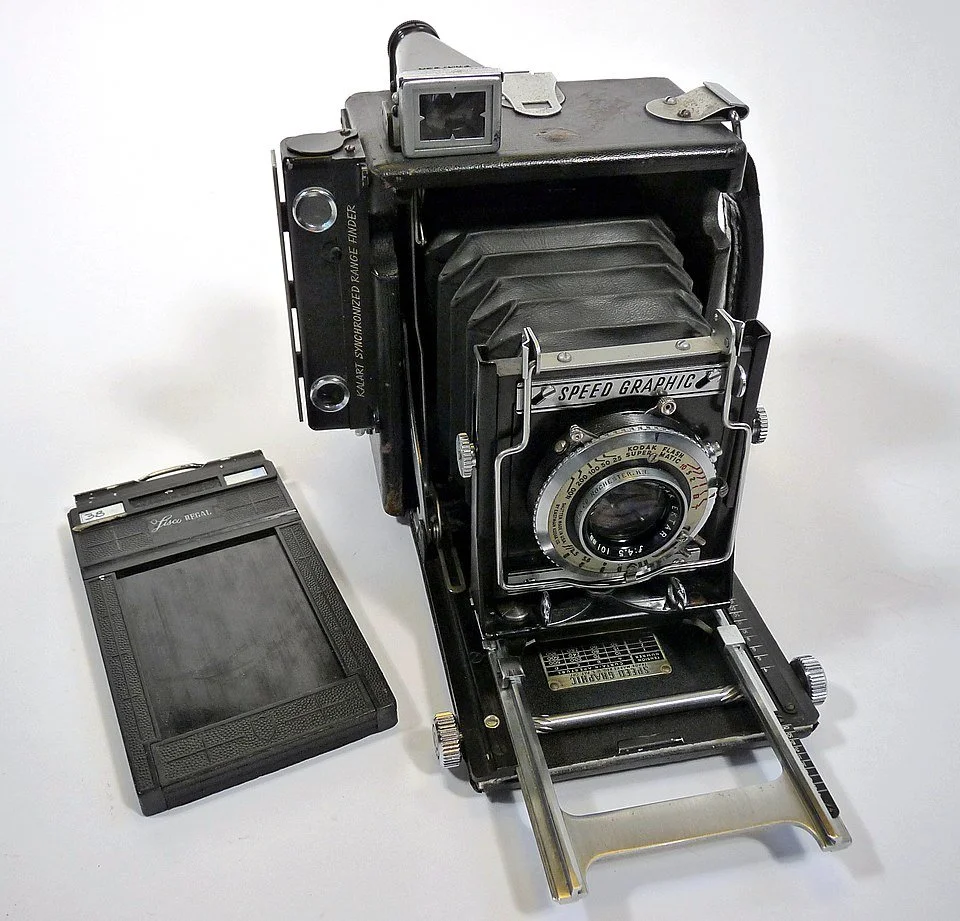
Speed Graphic Camera used by the Atlanta Wedding Photographers at AtlantaArtisticWeddings
I will start with the classic speed graphic camera. If you have been following me you will know I still shoot large format film which is negative that is 4 inches by 5 inches. The Speed Graphic, introduced by the Graflex company in the early 20th century, became the quintessential press and studio camera for American photographers from the 1910s through the 1950s; its design evolved from large-format view cameras, combining a focal-plane shutter or later a leaf shutter with interchangeable lenses and roll or sheet film backs to deliver relatively quick operation for the era. Initially prized by newspaper and magazine photographers for its ruggedness, portability, and the ability to produce high-resolution sheet-film negatives, the Speed Graphic enabled the dramatic, on-the-spot images that defined photojournalism during World War I, the Roaring Twenties, the Great Depression, and World War II. Its characteristic pull-out bed, front standard with rangefinder and ground-glass focusing, and the distinctive “press camera” aesthetic made it adaptable for both posed portraits and candid reportage; even as 35mm and faster cameras emerged in the 1950s and 1960s, the Speed Graphic remained in use for its image quality and versatility, later gaining a second life among fine-art and vintage-camera enthusiasts who value its tactile controls and classic black-and-white look.

Classic Black and White Film Photography by the Atlanta Wedding Photographers at www.AtlantaArtsiticWeddings.com
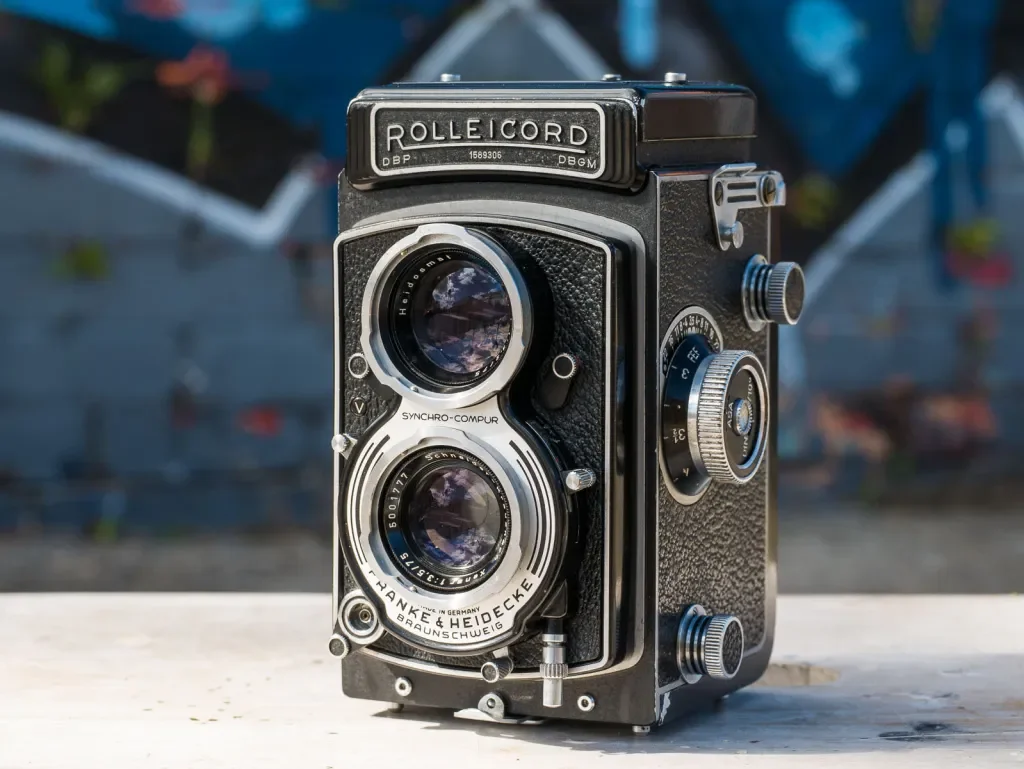
The second camera is the Rolleiflex medium format camera. Rolleiflex twin-lens reflex (TLR) cameras are iconic medium-format workhorses prized by photographers for their tactile precision, rich tonal range, and timeless design. Built with a distinctive twin-lens arrangement—one lens for viewing and composing, the other for exposing the film—Rolleiflex cameras deliver extremely sharp, contrast-rich 6x6 negatives that render fine detail and beautiful depth, especially in black-and-white photography. Their waist-level finder encourages a quiet, deliberate shooting style and natural interaction with subjects, making them ideal for portraiture, street, and documentary work. Robust mechanical construction, smooth focusing, and classic Schneider or Zeiss optics give each frame a creamy micro-contrast and a signature vintage character. For anyone who values craft, presence, and evocative image quality, a Rolleiflex remains a beloved tool and aesthetic statement.
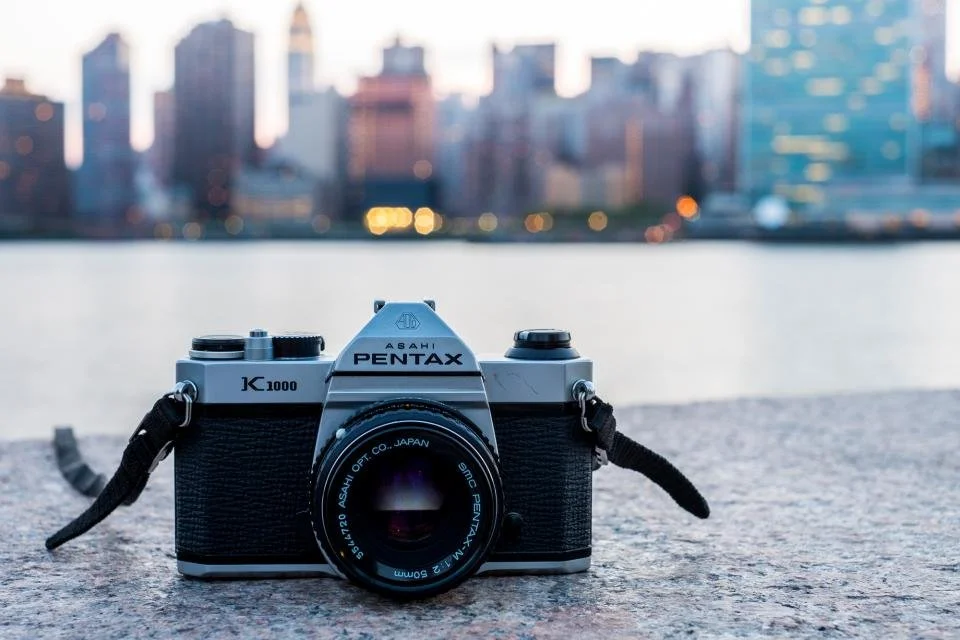
The third by not least is the Pentax K1000 35mm camera. Pentax K1000 — a timeless, no-nonsense 35mm SLR that earned its place in the hands of students, street shooters, and vintage lovers. Built tough with simple, fully manual controls, it teaches you the essentials of exposure: shutter speed, aperture, and focus — nothing more, nothing less. The all-mechanical body (no batteries required for basic shooting) and durable Pentax-M/K mount make it reliable for years of use. Optical viewfinder is bright and clear; meters are intuitive and unobtrusive. Shooting with a K1000 encourages deliberate framing and a slower, more thoughtful approach to photography, producing rich, characterful results—especially pleasing in black-and-white film. For photographers who value learning craft, tactile operation, and a classic aesthetic, the Pentax K1000 remains a beloved, authentic choice.